
How Much Does a Safari Cost
A Real Talk Guide for First-Time Safari Travelers
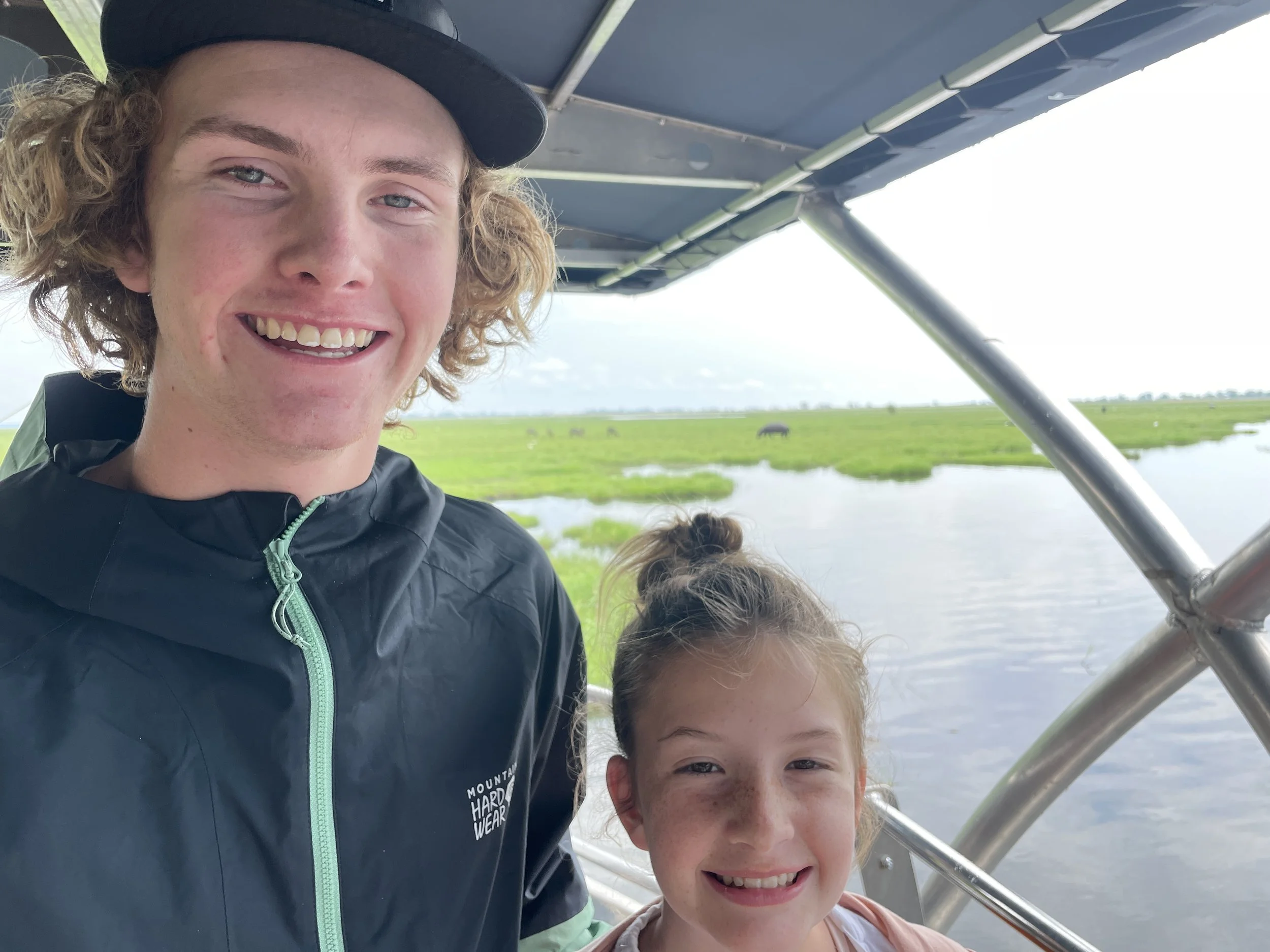
If you’ve ever typed “How much does a safari cost?” into Google and then immediately closed the tab because the numbers were terrifying… hi, you’re my people.
Most of the clients I work with are first-timers to Africa who are excited and curious—but also overwhelmed, confused, and a little bit afraid to even say a budget out loud. Safari feels big and mysterious and very far away.
I get it.
Before our first family safari, I didn’t think it was realistic for us either. And then we went with our five kids—twenty-somethings, teenagers, and our youngest who was six—and it completely changed how we travel and how we feel about our time together. That trip is the reason I now help other families get to Africa.
So let’s pull the curtain back and talk honestly:
What does a safari really cost?
What are you actually paying for?
And how do you know what’s realistic for your family?
The Short Answer: Safari Is an Investment
When I talk to clients about budget, I usually start with a simple rule of thumb:
Plan on around $1,000 per person, per day for a really good, comfortable safari—lovely lodges, great guiding, and a thoughtful itinerary.
That doesn’t mean every trip will cost exactly that, but it’s a really helpful starting point.
Here’s how I break it down:
Typical Price Ranges
-
From about $500 per person, per day
Simpler or more basic lodges
Fewer internal flights
Good experiences, but with more trade-offs around location, style, or flexibility
-
Around $750–$1,100 per person, per day. This is where many of my clients land
Very nice accommodationsGreat guiding and wildlife viewing
Solid, seamless logistics
-
$1,000+ per person, per day
Top-tier lodges and camps
Private reserves or conservancies
More internal flights and extra touches (private vehicles, spa, etc.)
-
$4,000+ per person, per day
Over-the-top design and service
Fully private experiences
Think: once-in-a-lifetime, “I saw this in a magazine” kind of places
Most safari lodges really encourage a minimum stay of 3 nights, and that’s not just a money thing—it’s also about the experience. You want enough time for multiple game drives, some down time, and a chance to feel at home before you move on.
Real Client Examples (With Real Numbers)
Here are a few actual trips I’ve worked on (names removed, details simplified), just to give you a sense of what real people are spending:
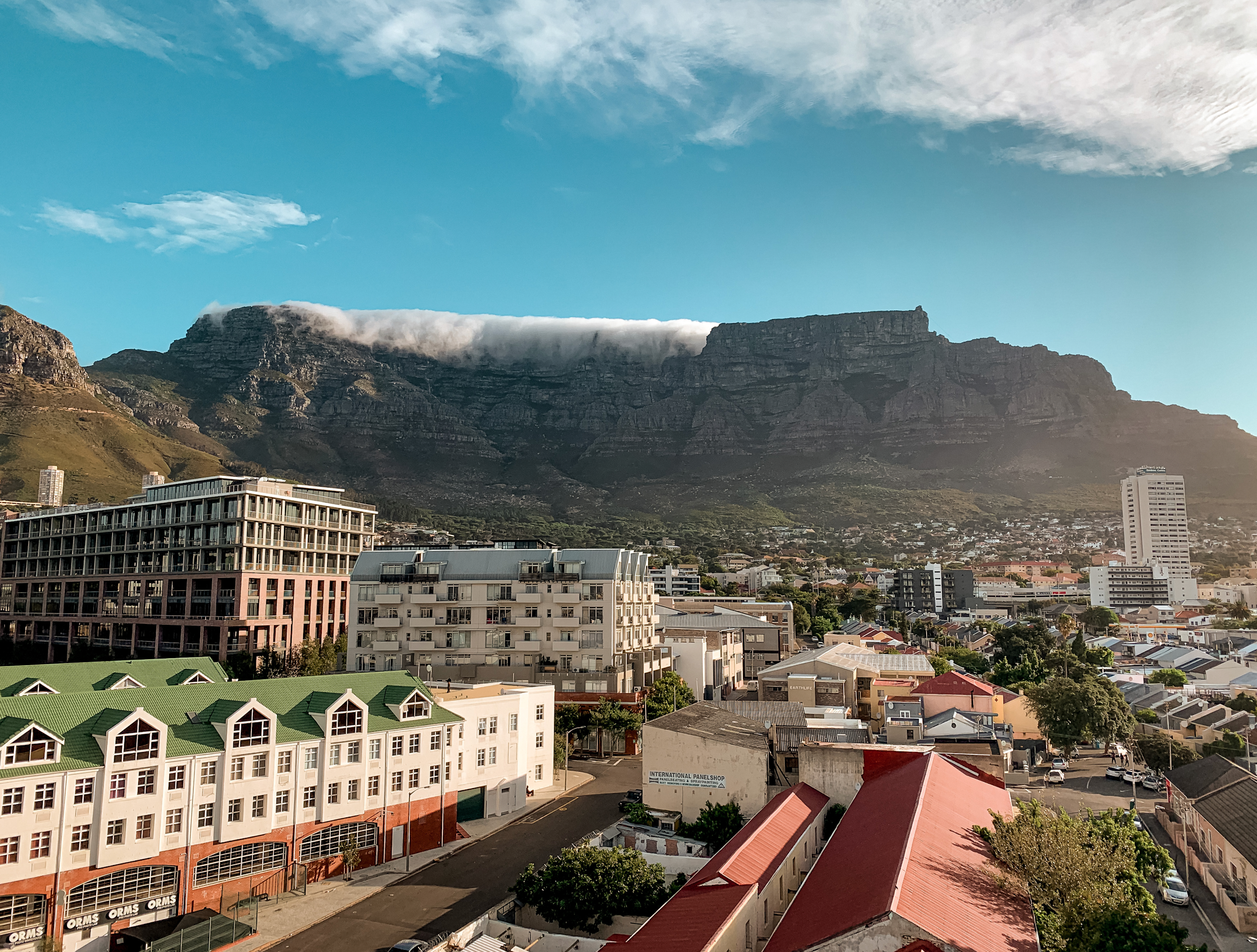
1. Couple’s Safari + Cape Town
Who: A couple on a special trip
Where: Cape Town + Eastern Cape safari
Length: 8 days
Level: 5★ accommodations
Cost: About $8,000 per person
(International flights not included)
2. Family of Four (Kids 16 and 9)
Who: Parents + 2 kids
Level: 5★ accommodations throughout
Cost: About $24,000 total
(Again, not including international flights)
3. Golf, Wine & Safari Combo (In Progress)
Who: A group where golf is a big priority, but they still want safari and Cape Town
Where: Cape Town, George (for golf), and Sabi Sands
Length: 13 days
4 rounds of 18 holes of golf built in
Cost: Around $14,000 for the trip (itinerary cost)
You’ll notice: these are not “$999 safari deals” you see in flashy ads. They’re tailored itineraries built around what actually matters to the travelers: pace, comfort level, activities, and meaningful experiences.
What Actually Drives the Cost of a Safari?
Let’s talk about what makes one safari $500 a day and another $1,500 a day.
Time of Year
Peak season (school holidays, migration season, best weather) = higher prices
Shoulder seasons can offer better value without sacrificing wildlife viewing
Country and Region
All of “Africa” is not priced the same.
Botswana is generally the most expensive country for safari.
South Africa, Kenya, and parts of Tanzania can offer more range across budgets.
Some areas are more remote, which means higher costs to get food, staff, and supplies in—and that shows up in the price.
Internal Flights vs. Driving
Those small aircraft that hop between lodges?
They are incredibly convenient and save a ton of time.
They are also not cheap.
Driving between destinations can sometimes save money, but not always—it depends on distance, time, and road conditions. And time is part of your “cost” too.
Private Reserves and Conservancies
Staying in a private reserve or conservancy often means:
Fewer vehicles around sightings
More flexible game drive rules (night drives, off-road in some areas)
A more exclusive, peaceful atmosphere
These places usually cost more than staying right outside a national park gate—but the experience is very different.
Private Vehicles & Guides
I never recommend self-drive safaris to my clients, especially first-timers.
You’re going a very long way for this experience.
Having a trained guide and tracker makes an enormous difference in both safety and sightings.
If you want your own private vehicle and guide (which I often recommend for families, photographers, or people with specific needs), there is usually an added daily cost.
At many high-end safari camps, a private vehicle per party is standard or required—and that is baked into the price.
Level of Lodge or Camp
Guiding quality
Food and drink
Room size and comfort
Staff-to-guest ratio
Design and atmosphere
All of that is part of what you’re paying for.
Southern Africa vs. East Africa: Does Location Change the Price?
A lot of people ask, “Is it cheaper to go to South Africa or Kenya?” The answer is: it depends, but there are some patterns.
Southern Africa
(Think South Africa, Botswana, Zimbabwe, etc.)
Great for pairing city + safari (Cape Town, the Winelands, Victoria Falls).
South Africa offers a wide range of price points, from more accessible to very high-end.
Botswana tends to sit at the top of the price range for safari.
East Africa
(Think Kenya, Tanzania, gorilla trekking add-ons in Uganda or Rwanda)
Home to iconic experiences like the Great Migration.
Often involves more internal flights depending on your route.
Gorilla trekking is its own cost category—permits alone are a big ticket item, even before you add lodging and transportation.
Both regions can be incredible. The “better” choice is often less about price and more about:
Time of year you can travel
Who is traveling (kids? grandparents?)
The kind of experience you want (migration, water-based safari, city add-ons, etc.)
How many internal flights you’re willing to do
Our Family Safari Story: Why We Keep Going Back
Our first safari with all five kids is still one of my favorite family memories.
We had:
Twenty-somethings
Teenagers
A six-year-old
Different personalities, different interests, different attention spans—and everyone loved it. The surprise gift of that trip? The way it pulled us out of our normal habits.
The cell service didn’t work like it does at home.
The kids couldn’t just scroll all day.Wi-Fi was only available in the bar area. So after our evening game drive, we’d all walk to the bar together. The kids would quickly upload their photos, text their friends. And then they’d start talking. To us. To each other. To other guests comparing pictures of the animals we had seen that day.
Conversations came easily. Everyone wanted to relive the day: the leopard in a tree, crossing the Zimbabwe border, how much they like our driver. It sounded small at the time, but those are the moments that stay with you.
Safari wasn’t just “a trip with animals.” It was a way of slowing down, being more present, and seeing each other differently.
That’s one of the reasons I call safari an investment. Yes, it’s a financial one. But it’s also an investment in time, connection, and memories that your family will bring up—over and over—for years.
Additional Costs Considerations You Should Plan For
One of the things people love about safari is that most of the costs are paid up front. You’re not constantly paying for every little thing once you arrive.
Your daily rate usually includes:
Game drives
Most meals
Most drinks
Lots of activities
But there are some extra costs that sneak up on people if they haven’t planned for them:
Tipping
Guides, trackers, and lodge staff rely on tips as part of their income.
There are standard tipping guidelines (I provide these for my clients).
You don’t have to go over the top, but tipping fairly is one of the best ways you can support the people who are taking care of you.
Travel Insurance
Not glamorous. Very important.
Long flights, connections, weather delays, and health issues happen.
Safari is a big investment, and insurance protects that.
Visas
Depending on the country:
You may need a visa in advance
Or pay for one on arrival
Either way, it’s a cost to factor in.
Vaccinations & Medications
Things like:
Yellow fever (often over $200)
Typhoid
Malaria prophylaxis (if recommended for the area)
These costs aren’t part of your safari invoice, but they are part of the trip.
City Nights Before & After Safari
Most itineraries include one or more nights in a city like:
Cape Town
Nairobi
Johannesburg
Entebbe, etc.
You can absolutely dial costs up or down here:
Stay at a simpler hotel to save
Join small group tours in the city
Put more of your money toward the safari portion, where it really counts
Why “Cheap” Is a Red Flag
When we talk about ethical, responsible travel, price is part of that conversation.
Safari lodges and preserves often sit right next to real communities with real people, not just wildlife.
Your safari cost supports:
Staff wages
Conservation and park fees
Community projects and partnerships
We’ve had the experience of staying somewhere cheaper where, frankly, we didn’t feel good about it. Something felt “off” in how things were run and how people were treated. I would never send clients there.
In the exact same area, we’ve also stayed somewhere higher-end where:
The staff were clearly valued
The property invested in conservation
The experience felt respectful and thoughtful
That’s where I’m comfortable sending clients.
I also try to shift the mindset away from “bringing stuff to donate” and more toward:
Tipping fairly
Staying with partners who treat people well
Engaging respectfully with local communities
Coming home and talking about the people you met, not just the animals you saw
If a deal looks too good to be true, especially in the safari world—it usually is.
Is Safari Safe? And Is It Realistic for Regular People?
Two huge questions I get all the time:
“Is it safe?”
There are places in Africa that are not safe—just like there are places in the U.S. or Europe that are not safe.
But the safari destinations, lodges, and partners I work with are:
Vetted
Reputable
Focused on guest safety and conservation
Part of what you’re paying for is good planning and good partners:
Reliable drivers and transfers
Lodges that follow safety protocols
Clear communication about where you should and shouldn’t go
“Is this actually realistic for us?”
Safari is not a “wing it and see” destination.
In Europe or a U.S. city, you can sometimes get away with booking things last-minute, wandering around, and figuring it out as you go. Africa is different:
Internal flights are limited and can sell out
Transfers and timings are critical
Park fees, permits, and lodge nights need to line up just right
All of that complexity is part of the cost, but it’s also part of the value of working with someone who does this all the time.
And here’s what I’ve seen again and again:
Many families and couples who thought safari was out of reach…find that, with a realistic budget and a clear plan, it actually is possible.
We got help for our first safari. Now I get to be that help for other people.
I’ve been on safari:
With my kids
With their grandparents
With friends
Just as a couple (truly one of the most romantic trips we’ve ever taken)
Every version has been worth it.
Where to Start If You’re Safari-Curious (But Nervous About Cost)
If your heart jumps a little when you see safari photos—but your brain screams, “There’s no way we can afford that,” here’s what I’d suggest:
Decide when you might want to travel. Even just “summer 2027” or “sometime in the next 18 months” is a start.
Think about who is coming. Kids? Teens? Grandparents? Friends?
Be honest about what you could reasonably invest. You don’t need a perfect number—just a range.
Talk to someone who plans safaris regularly. (That’s literally my job.)
My role is to:
Help you understand what’s realistic for your budget
Show you where it’s worth spending and where you can save
Keep you safe and comfortable
Connect you with lodges and guides that take care of both their guests and their communities
Safari is an investment—but it’s also one of the few trips I hear people talk about years later with the same sense of awe and gratitude as when they first got home.
If you’re wondering, “Could this ever be possible for us?”
The answer might be yes—not with a random internet deal, but with a thoughtful plan that fits your family and your budget.
And if you want help figuring out what that could look like for you, that’s exactly what I’m here for.