
When Is the Best Time to Go on Safari
When Is the Best Time to Go on Safari in South Africa (Kruger + Greater Kruger)?
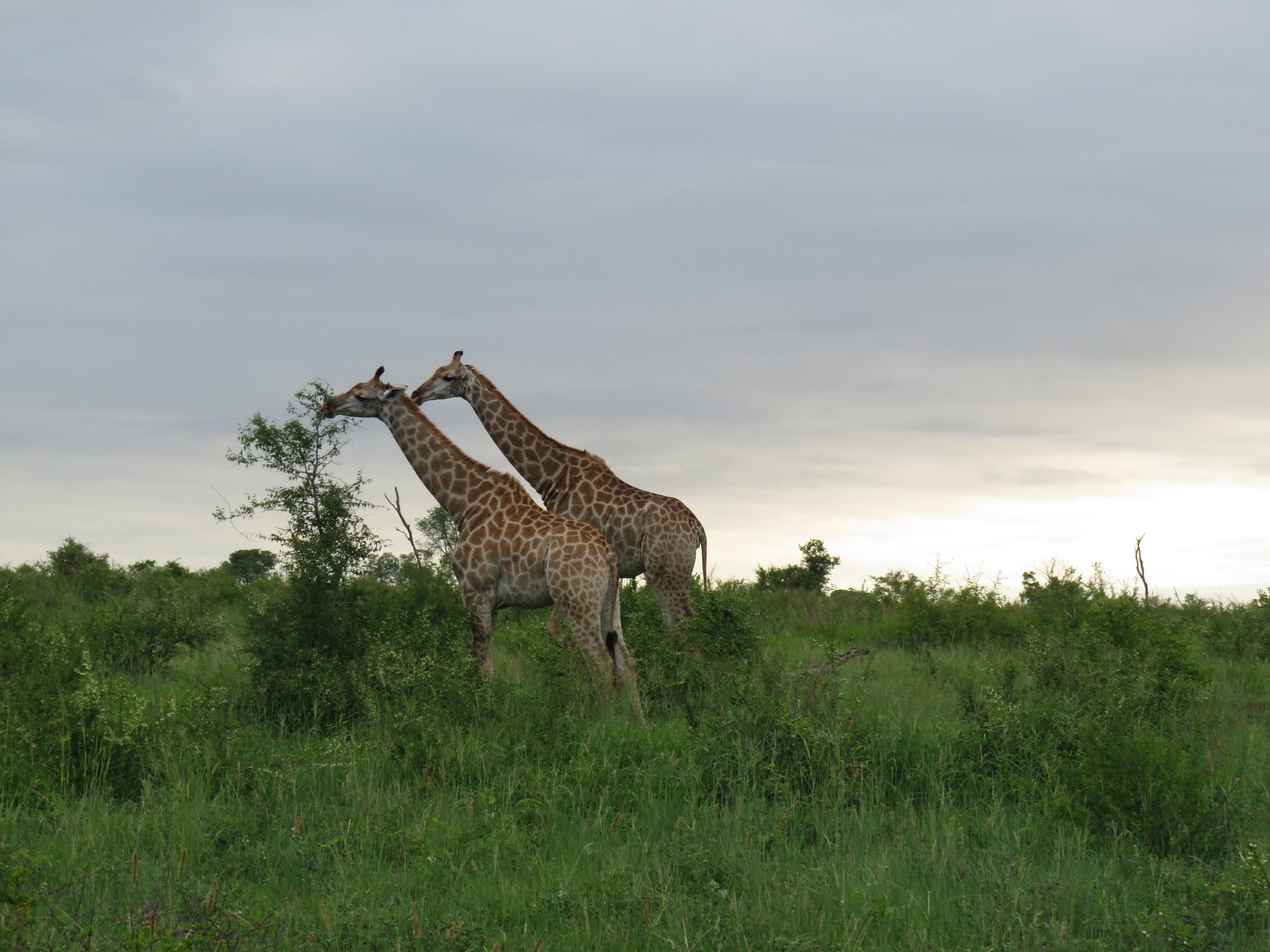
The honest answer is that there’s always a good time to go on safari in South Africa—especially in the Greater Kruger area (Kruger National Park, Sabi Sands, Timbavati, and the surrounding private reserves).
The best time isn’t one perfect month. It’s the month that matches your priorities:
Do you want the best animal viewing? The best pricing? The best weather? Fewer crowds? A trip that fits school schedules without requiring a minor miracle?
Let’s break it down in a way that actually helps you choose.
First: Seasons in Kruger
South Africa’s safari seasons don’t follow the same “summer/winter” logic as a U.S. vacation.
-
Pros: easier to spot animals because the bush is thinner and water sources are limited
Cons: colder mornings + peak pricing in popular school holiday windows
Let’s talk about the thing that surprises people every single time:
Winter mornings on safari can be COLD.
If you’re going June–October, you’ll want:
a puffer jacket
a beanie
gloves
and you’ll be grateful for a blanket on early morning game drives
Then the sun comes up and you’re peeling layers like an onion. (Safari fashion is basically: “I’m cold, I’m fine, I’m hot, I’m cold again.”)
-
Pros: lush landscapes, fewer crowds (often), and better pricing outside holiday weeks
Cons: more greenery can mean animals are a bit harder to spot, and rain
I have clients headed to South Africa late February into early March, and yes—it’ll be rainy season. And yes—it’s still going to be amazing.
Rainy season doesn’t mean “rain all day every day.” Often it’s more like:
a storm rolling through
dramatic skies
everything turning green and alive
the bush feeling lush and beautiful
There’s a different kind of magic in that season. It’s not worse. It’s just different.
And here’s my favorite part: both seasons can be incredible. I’ve personally been in January and November, and I’d go again in a heartbeat.
The Best Time to Go (Depending on What You Care About Most)
-
Go in the dry season: June–September (and often into October).
This is when the bush is thinner, the grasses are shorter, and animals tend to gather around water. Translation: you’ll usually SEE more, more easily.
But here’s the trade-off I like to be honest about (because nobody tells people this part):
In the dry season, some animals just don’t look as healthy.
It’s dry. There’s less food. Some antelope can look a little scruffy. Lions may not look as glossy. (Elephants always kind of look like elephants, honestly. They’re out here doing elephant things no matter the season.)So yes: dry season can be “best” for spotting animals.
But it’s not always the season where the landscape looks like a screensaver and every animal looks photo-shoot ready. -
November is fabulous—especially around Thanksgiving.
This is one of my favorite “mom-life realistic” safari windows, because:
It’s often less busy than peak summer
It’s typically cheaper than Christmas
The weather can be really lovely
And I’ve sent clients over Thanksgiving who had an absolutely fabulous trip
If you’re in the U.S. and you’re trying to work around school, but you’re not trying to pay peak holiday pricing, Thanksgiving can be a sweet spot.
-
You can go… but just know: you’ll pay for it.
Winter break is one of the most in-demand periods, which means:
higher lodge rates
more limited availability
flights can get spicy
Does that mean you shouldn’t do it? Not at all. It just means you want to book earlier and plan smarter.
-
Spring break can actually be a great time to go.
If you can make your trip around 10 days (and give yourself a little buffer for travel days), South Africa can fit beautifully into that window. Rates are often higher than shoulder season, but typically not as wild as winter break.
My Personal Take: There’s Always a Good Time to Go
If you made it this far, here’s my “Tori answer”:
There is always a good time to go to South Africa.
The best time is the time that works best for you—your budget, your schedule, your weather tolerance, and what you want most out of the experience.
Dry season gives you easier viewing.
Green season gives you value, beauty, and fewer crowds in many weeks.
Holiday weeks are convenient… and expensive.
And there’s magic in all of it.
Want me to tell you your “best” safari month?
If you tell me:
your possible travel dates
who you’re traveling with
your top 2 priorities (wildlife? cost? weather? crowds?)
…I can match you to the best time for YOUR safari, and help you avoid the “we picked the wrong week” regret.
Because safari is a big trip. And you deserve to feel confident about the timing.
Month-by-month: What Kruger is like (and who it’s best for)
-
Vibe: green, alive, warm
Good for: better value than peak holidays, beautiful landscapes
Reality check: some rain + thicker bush can make spotting trickier
Tori’s take: I’ve been in January and loved it—still a great safari month.
-
Vibe: warm + lush, rainy season continues
Good for: travelers who want value and don’t mind some storms
Reality check: humidity/rain possible (pack smart and roll with it)
-
Vibe: still green, transitioning toward drier
Good for: solid mix of value + improving visibility
Reality check: rain can still happen (but it can be gorgeous)
-
Vibe: shoulder season, conditions often start improving
Good for: people who want “best of both worlds” (less rain, less peak pricing)
Reality check: varies year to year, but generally a strong month
-
Vibe: cooler, drying out, visibility improving
Good for: great animal viewing without the coldest mornings
Reality check: availability can start tightening (book earlier)
-
Vibe: dry season begins, crisp mornings
Good for: easier sightings
Reality check: cold early drives (puffer + beanie + gloves)
-
Vibe: prime viewing + prime pricing
Good for: families tied to summer break, wildlife-focused travelers
Reality check: one of the busiest/most expensive windows
-
Vibe: excellent visibility, still cold mornings
Good for: best “easy mode” wildlife spotting
Reality check: another peak price + crowd month (school schedules drive demand)
-
Vibe: warming up, dry, great viewing
Good for: fantastic sightings with slightly less winter chill
Reality check: still popular—plan ahead
-
Vibe: warm, dry, strong viewing continues
Good for: people who want dry-season viewing without the coldest mornings
Reality check: can be hot mid-day, but drives are early/late
-
Vibe: shoulder season, often quieter, often better value
Good for: Thanksgiving trips, first-timers who want fewer crowds
Reality check: rains can begin again
Tori’s take: November is fabulous—one of my favorite times to send clients.
-
Vibe: festive season, warmer + greener
Good for: people locked into holiday travel
Reality check: winter break is expensive + availability is tight (book early)